
Call: +8615191772362
 Send Inquiry
 Send Inquiry
Nickel Plate
MOQ : 10 Tons
Nickel Plate Specification
- Product Type
- Nickel
- Shape
- Rectangular Plate
- Elongation
- 40% (min)
- Strength
- High
- Hardness
- Hard
- Resistance
- Excellent corrosion and oxidation resistance
- Grade
- Pure Nickel
- Melting Range
- 1435 - 1445 C
- Density
- 8.9 Gram per cubic centimeter(g/cm3)
- Chemical Composition
- Ni: 99.6% min, C: 0.15% max, Fe: 0.40% max, S: 0.01% max, Cu: 0.25% max, Mg: 0.05% max
- Application
- Chemical processing, electronics, aerospace, marine engineering, battery industries
- Color
- Silver
- Manufacturing Process
- Hot Rolled / Cold Rolled
- Processing Service
- Cutting, Shearing, Punching, Bending
- Thermal Conductivity
- 90 W/mK (at 25C)
- Width Range
- 10 mm to 2500 mm
- Standard
- ASTM B162 / ASME SB162
- Weldability
- Excellent
- Surface Finish
- Bright / Polished / Matt
- Thickness Range
- 0.1 mm to 60 mm
- Electrical Conductivity
- 21.8% IACS
- Formability
- Good
Nickel Plate Trade Information
- Minimum Order Quantity
- 10 Tons
- Supply Ability
- 100 Tons Per Month
- Delivery Time
- 20 Days
- Main Export Market(s)
- Asia, Australia, Central America, North America, South America, Eastern Europe, Western Europe, Middle East, Africa
Nickel Plate About
As a China based eminent manufacturer and exporter, we are offering good quality Nickel Plate that has been developed by using hot rolled and cold rolled processing technique. Made of finest quality nickel, the offered Nickel Plate is used to develop stainless steel and heat prof steel, electroplating material, ceramic object, dye, pigment and ferrite. Besides these, this metal plate is used as a suitable catalyst in oil industry. Due to its rich source of chemical energy, this plate is used to manufacture batteries.
Item
- Nickel plate, nickel sheet
Applications
- 70% Ni was used to make heat resistance steel and stainless steel
- 15% Ni in the globe is used as electroplating.
- In oil industry, it is used as catalyst
- Used for making ceramic, dye, ferrite, pigments
Standard
- ASTMA162,GB/T2054,DIN177502002,ASTM B127,
- ASTM B435,ASTMB582,ASTM B575, ASTM B168,
- ASTM B443, ASTM B463,ASTM B626,ASTM B536,etc
Material
- N7,N5,N4,N1,NO2200,NO2201,NO4400,NO6002,NO6022,NO6030,NO6455,NO6600,NO8800, NO8810, NO8825, Etc
Thickness
- 0.1-100mm
Width
- 100-2500mm
Length
- 2m, 2.44m, 3m, or as required
Specifications:
| Grade | Specification (mm) | Manufacturing Method | Condition | Standards | |
| Chine | Others | ||||
| N4 N7(NW2200, UNS NO2200) | (4.1 50) x (3003000) x(5007500) | Hot Rolled | R | GB/T2054 | ASTM B162 |
| (0.34.0) x (3001400) x(5007500) | Cold Rolled | Y | |||
Exceptional Corrosion Resistance
Nickel Plate excels in resisting corrosion and oxidation, even in harsh chemical and marine environments. This makes it a preferred material for components that require consistent performance under aggressive conditions. Its excellent chemical stability ensures longevity and reliability for demanding industrial applications.
Versatility in Applications
From electronics to battery manufacturing, chemical processing, aerospace, and marine engineering, this pure nickel plate adapts seamlessly across industries. With a combination of superior formability, weldability, and customizable surface finishes, it offers flexibility for diverse fabrication needs.
Advanced Manufacturing and Processing
Produced using both hot rolled and cold rolled methods, the Nickel Plate is valued for its precision, high strength, and excellent hardness. A range of processing options-cutting, shearing, punching, and bending-enable tailored solutions, ensuring easy integration into your workflow.
FAQ's of Nickel Plate:
Q: How is Nickel Plate typically processed to meet specific dimensional requirements?
A: Nickel Plate can be cut, sheared, punched, or bent according to project specifications. These processing services adapt the plate to your needed size and shape, facilitating use in various industries such as aerospace or electronics. Both hot rolled and cold rolled techniques may be used based on required thickness and finish.Q: What are the main benefits of using Nickel Plate in chemical and marine applications?
A: The primary benefits are its excellent corrosion and oxidation resistance, high mechanical strength, and durability in aggressive environments. These properties ensure reliable performance in chemical reactors, marine fittings, and similar settings where material longevity and integrity are vital.Q: When should I select bright, polished, or matt finishes for Nickel Plate?
A: Your choice of surface finish depends on the application's functional and aesthetic requirements. Bright and polished finishes are ideal where appearance and reflectivity matter, such as in electronics. Matt finishes provide a less reflective surface, often preferred for industrial or structural uses.Q: Where can Nickel Plate be sourced and in what forms is it available?
A: Nickel Plate is available through distributors, exporters, manufacturers, suppliers, and traders across India. It is typically supplied as rectangular plates in thicknesses from 0.1 mm to 60 mm and widths up to 2500 mm, matching a wide variety of industry needs.Q: What applications benefit most from the high electrical and thermal conductivity of Nickel Plate?
A: Industries such as electronics and battery manufacturing leverage the plate's 21.8% IACS electrical conductivity and 90 W/mK thermal conductivity for efficient current flow and heat transfer. These properties enhance device performance and increase operational safety.Q: How does the manufacturing process affect the mechanical properties of Nickel Plate?
A: Hot rolling and cold rolling processes influence the plate's grain structure, hardness, and strength. Cold rolled plates generally feature higher strength and a smoother finish, while hot rolled plates may offer greater ductility. The chosen process depends on intended end use and required properties.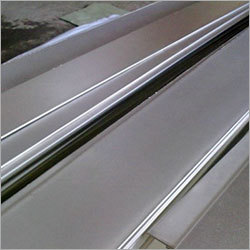
Tell us about your requirement

Price:
Quantity
Select Unit
- 50
- 100
- 200
- 250
- 500
- 1000+
Additional detail
Mobile number
Email

More Products in Nickel Products Category
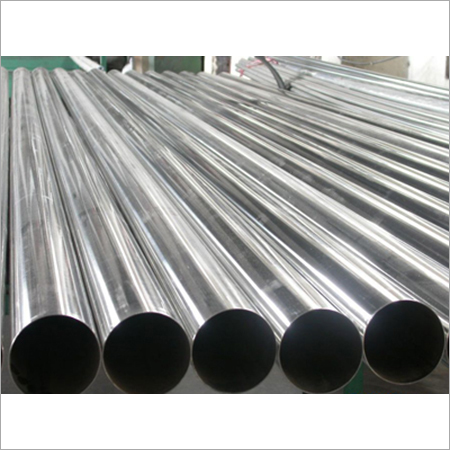
Nickel Tube
Minimum Order Quantity : 10 Tons
Hardness : Rockwell B75
Grade : Nickel 200 / 201
Color : Silver
Product Type : Other, Nickel Tube
Strength : Tensile Strength: 380620 MPa

Nickel Bar
Minimum Order Quantity : 10 Tons
Hardness : Rockwell B75B90
Grade : Nickel 200/Nickel 201
Color : Silver/Metallic Grey
Product Type : Other, Nickel Bar
Strength : Tensile Strength: 380620 MPa
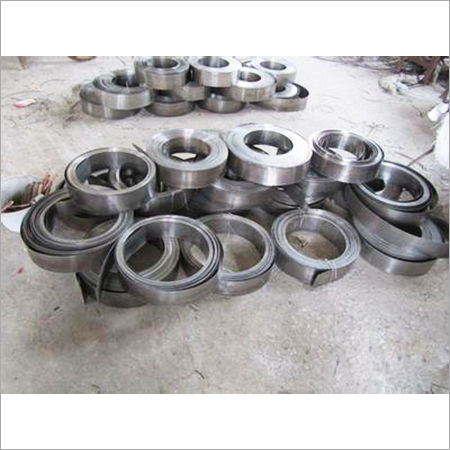
Nickel Foil
Minimum Order Quantity : 10 Tons
Hardness : Hard
Grade : Pure Nickel
Color : Silver
Product Type : Nickel
Strength : High
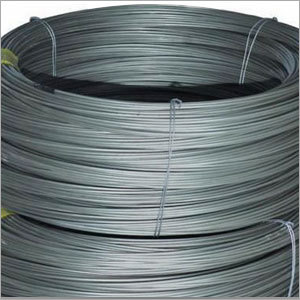
Nickel Wire
Minimum Order Quantity : 10 Tons
Hardness : Hard
Grade : Pure Nickel
Color : Silver
Product Type : Nickel
Strength : High

Contact Details
BAOJI HONG YA DA NONFERROUS METAL MATERIALS CO., LTD.
- No.85, Baoti Road, Weibin Disctrict, Baoji City, Shannxi Province, Baoji - 721013, Shaanxi, China
- Phone :86-917-3854158
 Send Inquiry
Developed and Managed by Infocom Network Private Limited.
