
Call: +8615191772362
 Send Inquiry
 Send Inquiry
Nickel Bar
MOQ : 10 Tons
Nickel Bar Specification
- Product Type
- Nickel Bar
- Shape
- Round/Rectangular/Square
- Elongation
- 30%-45%
- Strength
- Tensile Strength: 380-620 MPa
- Hardness
- Rockwell B75-B90
- Resistance
- Excellent corrosion and oxidation resistance
- Grade
- Nickel 200/Nickel 201
- Melting Range
- 1435-1446C
- Density
- 8.9 Gram per cubic centimeter(g/cm3)
- Chemical Composition
- Nickel (Ni) 99.0%
- Application
- Chemical processing, electroplating, aerospace, marine, electrical industries
- Color
- Silver/Metallic Grey
- Manufacturing Process
- Rolled/Forged/Drawn
- Magnetism
- Non-magnetic
- Conductivity
- Electrical Conductivity: ~22% IACS
- Surface Finish
- Bright, Polished, Annealed, Pickling
- Tolerance
- As per ASTM standards or customer specification
- Heat Treatment
- Annealed
- Packaging Type
- Wooden cases or as required
- Standard Length
- 100 mm to 6000 mm/customized
Nickel Bar Trade Information
- Minimum Order Quantity
- 10 Tons
- Supply Ability
- 100 Tons Per Month
- Delivery Time
- 20 Days
- Main Export Market(s)
- Asia, Australia, Central America, North America, South America, Eastern Europe, Western Europe, Middle East, Africa
Nickel Bar About
Catering to the wide needs of diverse industries, we have emerged as a prime manufacturer and exporter of Nickel Bar. It is manufactured under the stern direction of our deft experts using nickel materials. This bar is widely demanded for use in petrochemicals, oil, refinery, and textile industry. Apart from this, we are offering this Nickel Bar in several lengths at industry leading prices.
Features:
- Corrosion resistance
- Easy to install
- Enhanced durability
| Grade | Process | Dia(mm) | Dia. allowable tolerance(mm) | Specification | ||
| Drawing | Forging | Grinding or machining | ||||
| N4N5 N6N7 N02200 N02201 | Hot forgingrolling+Lathing(grinding) | 0.82.5 | 2% | 0.03 | GB4435-84 ASTM B160-93 DIN17740 | |
| 2.55.0 | 0.1 | |||||
| 5.08.0 | +0/-0.12 | 0.15 | ||||
| 8.010 | +0/-0.15 | 1.0 | 0.3 | |||
| 1020 | +0/-0.18 | 1.5 | 0.4 | |||
| 2030 | +0/-0.21 | 2.0 | 0.5 | |||
| 3050 | +0/-0.39 | 2.5 | 0.6 | |||
| 5080 | 3.0 | 0.8 | ||||
| 80100 | 3.5 | 1.1 | ||||
| 100120 | 5.0 | 1.3 | ||||
| 120160 | 5.0 | 1.8 | ||||
| 160200 | 6.5 | 2.0 | ||||
| 200500 | 7 | 2. | ||||
Superior Quality and Precision
Each Nickel Bar is manufactured under strict controls using rolled, forged, or drawn processes to achieve the desired dimensions and strength. With customizable lengths, shapes, and finishes, along with compliance to ASTM standards, these bars provide outstanding reliability and performance for critical applications.
Engineered for Durability and Performance
Boasting a purity of 99.0% Ni, these bars offer excellent corrosion and oxidation resistance, a tensile strength of 380-620 MPa, and an elongation of up to 45%. The annealed structure ensures enhanced machinability and a Rockwell B hardness of 75-90, making them suitable for demanding industrial environments.
Versatile Applications
Nickel Bars see widespread use in various sectors, including chemical plants, electroplating facilities, aerospace engineering, marine construction, and electrical industries. Their combination of high electrical conductivity and non-magnetic properties makes them a preferred choice among engineers and manufacturers worldwide.
FAQ's of Nickel Bar:
Q: How are Nickel Bars manufactured and finished?
A: Nickel Bars are produced using rolled, forged, or drawn manufacturing processes. After shaping, they undergo annealing to improve ductility and machinability. The surface can be finished to be bright, polished, or pickled, based on customer requirements.Q: What lengths and shapes are available for Nickel Bars?
A: These bars can be supplied in standard lengths ranging from 100 mm to 6000 mm, or customized to specific needs. Available shapes include round, rectangular, and square, offering flexibility for diverse industrial applications.Q: Where are Nickel Bars commonly used?
A: Nickel Bars are widely utilized in the chemical processing industry, electroplating operations, aerospace components, marine structures, and electrical equipment due to their corrosion resistance and high conductivity.Q: What standards and tolerances are Nickel Bars manufactured to meet?
A: Tolerances are maintained strictly as per ASTM standards, or tailored to meet specific customer specifications, ensuring compatibility and consistency in any application.Q: What are the benefits of using Nickel Bars in industrial settings?
A: With high nickel purity (99.0%), superior resistance to corrosion and oxidation, non-magnetic nature, and mechanical strength, Nickel Bars deliver long-lasting performance even in harsh environments, reducing maintenance and replacement costs.Q: How are Nickel Bars packaged for export and delivery?
A: To guarantee safe transportation, Nickel Bars are securely packaged in wooden cases or according to the customer's packaging requirements, ensuring the integrity of the product during handling and shipping.Q: When should you consider Nickel 200 or Nickel 201 grades?
A: Nickel 200 is ideal for chemical and electrical applications due to its purity and conductivity, while Nickel 201-with lower carbon content-offers improved resistance to certain corrosive environments at elevated temperatures.
Tell us about your requirement

Price:
Quantity
Select Unit
- 50
- 100
- 200
- 250
- 500
- 1000+
Additional detail
Mobile number
Email

More Products in Nickel Products Category
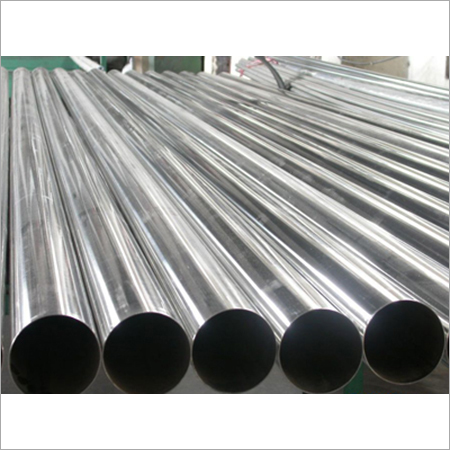
Nickel Tube
Minimum Order Quantity : 10 Tons
Color : Silver
Hardness : Rockwell B75
Strength : Tensile Strength: 380620 MPa
Grade : Nickel 200 / 201
Shape : Other, Round
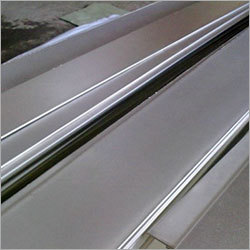
Nickel Plate
Minimum Order Quantity : 10 Tons
Color : Silver
Hardness : Hard
Strength : High
Grade : Pure Nickel
Shape : Other, Rectangular Plate
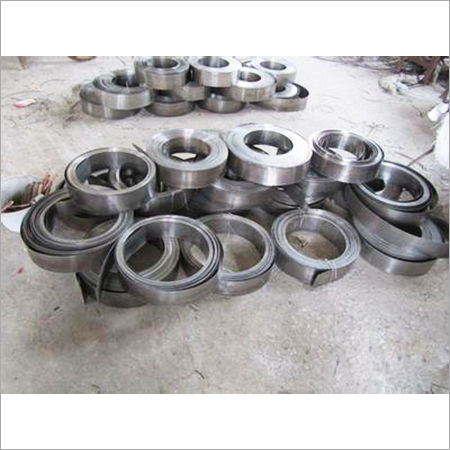
Nickel Foil
Minimum Order Quantity : 10 Tons
Color : Silver
Hardness : Hard
Strength : High
Grade : Pure Nickel
Shape : Other
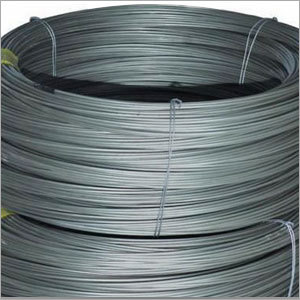
Nickel Wire
Minimum Order Quantity : 10 Tons
Color : Silver
Hardness : Hard
Strength : High
Grade : Pure Nickel
Shape : Wire

Contact Details
BAOJI HONG YA DA NONFERROUS METAL MATERIALS CO., LTD.
- No.85, Baoti Road, Weibin Disctrict, Baoji City, Shannxi Province, Baoji - 721013, Shaanxi, China
- Phone :86-917-3854158
 Send Inquiry
Developed and Managed by Infocom Network Private Limited.
